BILITEN Knowledge Sharing: Ingress Protection
Author: BILITEN
2025-05-05
Ingress Protection (IP) Meaning:
Lights are graded according to their dustproof, foreign object-proof, waterproof, and moisture-proof properties.
Ingress Protection Composition:
Ingress Protetion is composed of two numbers. The first number indicates the dust and foreign body intrusion level of the lamp assembly; the second number indicates the airtightness of the lamp assembly against moisture and water intrusion. The larger the number, the higher the protection level.
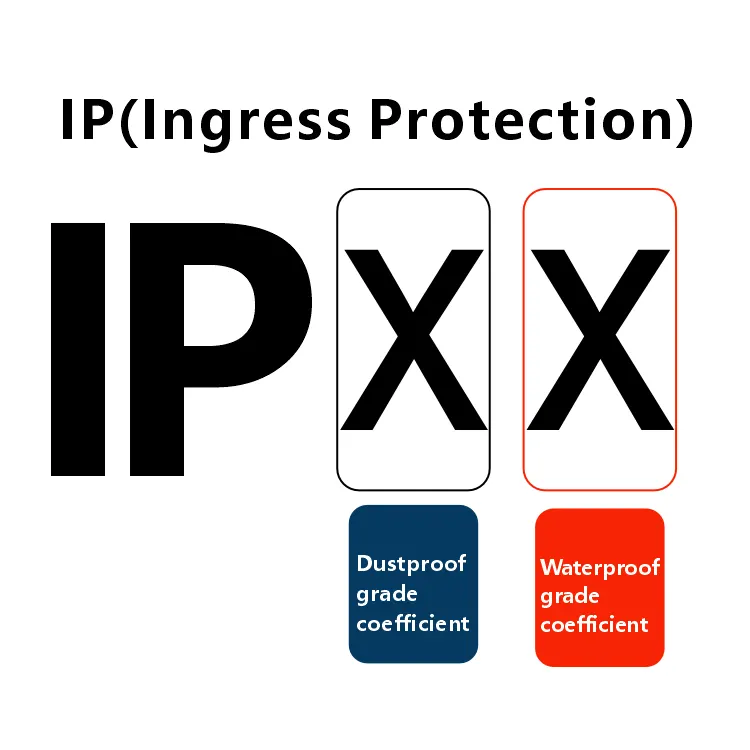
Ingress Protection Coefficient Analysis
- The first number: dust protection level
| 0 | No protection |
| 1 | Prevent large solid intrusion |
| 2 | Prevent medium-sized solid intrusion |
| 3 | Prevent small solid intrusion |
| 4 | Prevent solid objects larger than 1mm intrusion |
| 5 | Prevent harmful dust accumulation |
| 6 | Completely prevent dust intrusion |
- The second number: waterproof level
| 0 | No protection |
| 1 | Water drops into the shell have no effect |
| 2 | When the shell is tilted to 15°, water drops falling into the shell have no effect |
| 3 | Water or rain falling on the shell from 60° has no effect |
| 4 | Liquid splashed onto the shell from any direction has no harmful effect |
| 5 | Rinse with water without any harm |
| 6 | Can be used in the cabin environment |
| 7 | Can withstand immersion in water for a short period of time (1m) |
| 8 | Can be immersed in water for a long time under a certain pressure |
For example: Some LED lamps are marked as IP67, which means that the product can completely prevent the ingress of dust and can be immersed in 1m deep water for a short time.
Lamps that do not meet IP protection standards may have the following safety hazards
1. Dust protection does not meet standards
-
Increased risk of electrical failure
(1) Short circuit
When dust enters the interior of a lamp and accumulates to a certain extent, it may form a conductive path between live parts, causing a short circuit. For example, in some factory workshops, if the dust protection level of the lamp is insufficient, a large amount of metal dust enters the lamp, which can easily cause a short circuit, causing damage to the lamp or even an electrical fire.
(2) Leakage of electricity
Dust may absorb moisture in the air, forming dirt with a certain degree of conductivity, which will adhere to the insulating parts of the lamp, reducing the insulation performance, thereby increasing the risk of leakage of electricity and easily causing electric shock accidents.
When dust enters the interior of a lamp and accumulates to a certain extent, it may form a conductive path between live parts, causing a short circuit. For example, in some factory workshops, if the dust protection level of the lamp is insufficient, a large amount of metal dust enters the lamp, which can easily cause a short circuit, causing damage to the lamp or even an electrical fire.
(2) Leakage of electricity
Dust may absorb moisture in the air, forming dirt with a certain degree of conductivity, which will adhere to the insulating parts of the lamp, reducing the insulation performance, thereby increasing the risk of leakage of electricity and easily causing electric shock accidents.
-
Heat dissipation performance is affected
(1) Shortened lifespan
When working, lamps generate heat and need to maintain normal temperature through good heat dissipation channels. For lamps that do not meet dustproof standards, dust will block the heat dissipation channels and heat dissipation holes, making it impossible to dissipate the heat inside the lamp in time, resulting in excessive temperature of the lamp. When exposed to high temperature for a long time, the electronic components, filaments and other parts of the lamp will age faster, greatly shortening the service life of the lamp.
(2) Increased light decay
Excessive temperature will also reduce the luminous efficiency of the lamp, making the light decay phenomenon more obvious, affecting the lighting effect and failing to provide users with stable and sufficient light.
When working, lamps generate heat and need to maintain normal temperature through good heat dissipation channels. For lamps that do not meet dustproof standards, dust will block the heat dissipation channels and heat dissipation holes, making it impossible to dissipate the heat inside the lamp in time, resulting in excessive temperature of the lamp. When exposed to high temperature for a long time, the electronic components, filaments and other parts of the lamp will age faster, greatly shortening the service life of the lamp.
(2) Increased light decay
Excessive temperature will also reduce the luminous efficiency of the lamp, making the light decay phenomenon more obvious, affecting the lighting effect and failing to provide users with stable and sufficient light.

2. Hidden dangers of substandard waterproofing
-
Electric shock hazard
(1) Insulation failure
If the waterproofing level of a lamp is not high enough, water will enter the lamp when it is splashed, in a humid environment, or in direct contact with water, causing the electrical components inside the lamp to become damp. This will cause the insulation performance of the insulating material to deteriorate or even fail, and components that were originally non-charged may become charged. When the human body touches the lamp, there is a risk of electric shock.
(2) Electrical short circuit
When water enters the lamp, it will reduce the insulation resistance between conductors with different potentials, which can easily cause a short circuit. A short circuit will generate a large instantaneous current, which may burn the circuit components of the lamp or even cause an electrical fire, posing a serious threat to personal and property safety.
If the waterproofing level of a lamp is not high enough, water will enter the lamp when it is splashed, in a humid environment, or in direct contact with water, causing the electrical components inside the lamp to become damp. This will cause the insulation performance of the insulating material to deteriorate or even fail, and components that were originally non-charged may become charged. When the human body touches the lamp, there is a risk of electric shock.
(2) Electrical short circuit
When water enters the lamp, it will reduce the insulation resistance between conductors with different potentials, which can easily cause a short circuit. A short circuit will generate a large instantaneous current, which may burn the circuit components of the lamp or even cause an electrical fire, posing a serious threat to personal and property safety.
-
Accelerated lamp damage
(1) Corrosion and rust
When water enters a lamp, it will react chemically with the metal parts inside the lamp, causing the metal parts to corrode and rust. For example, when the metal shell, lamp holder, wire connector and other parts of the lamp are rusted, it will affect the structural stability and electrical connection performance of the lamp, making the lamp more prone to failure and shortening the service life of the lamp.
(2) Deterioration of optical performance
Water will affect the optical parts of the lamp, such as lenses and reflectors, causing water stains, fog or deformation on the surface, thereby reducing the light transmittance and reflective effect of the lamp, reducing the lighting quality of the lamp, and failing to achieve the expected light intensity and uniformity.
When water enters a lamp, it will react chemically with the metal parts inside the lamp, causing the metal parts to corrode and rust. For example, when the metal shell, lamp holder, wire connector and other parts of the lamp are rusted, it will affect the structural stability and electrical connection performance of the lamp, making the lamp more prone to failure and shortening the service life of the lamp.
(2) Deterioration of optical performance
Water will affect the optical parts of the lamp, such as lenses and reflectors, causing water stains, fog or deformation on the surface, thereby reducing the light transmittance and reflective effect of the lamp, reducing the lighting quality of the lamp, and failing to achieve the expected light intensity and uniformity.

Summary
As an international standard for measuring the dust and water resistance of equipment, Ingress protection level provides consumers and the industry with a clear and reliable reference for product durability. With the development of technology and the diversification of application scenarios, Ingress protection level will continue to play an important role in promoting product design towards a more durable and sophisticated direction.
The BILITEN R&D team continues to improve the research direction, pays more and more attention to and strives to improve the Ingress protection level of new car lighting products. Let's look forward to it!
The BILITEN R&D team continues to improve the research direction, pays more and more attention to and strives to improve the Ingress protection level of new car lighting products. Let's look forward to it!
BILITEN Knowledge Sharing: Those inconspicuous small accessories for car lights
Single-cup or double-cup headlights, which one is better?
Related Article
Is airtightness testing for fog lights important?
Principles, Testing Processes and Industry Value of Fog Light Airtightness Testing in the Aftermarket Manufacturing Sector
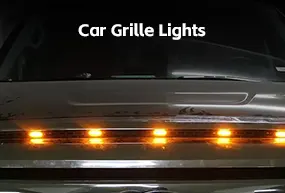
In today's world where artistic aesthetics and practical technology are combined, the emergence of car grille lights is inevitable.
Another option for car headlight upgrades: Car Grille Lights