
Myth Debunked: Are Brighter Car Headlights Safer? Absolutely Not
Author: BILITEN
2026-04-30
Many car owners believe that "the brighter the headlights, the safer it is to drive at night." Some even go so far as to deliberately install ultra-bright aftermarket lights, under the assumption that increased brightness allows them to see further and more clearly.
In reality, however, this is not the case. Excessive headlight brightness is not only unsafe but may also be illegal and lead to traffic accidents.
I. Why Do People Generally Believe That "The Brighter, the Safer"?
1. Intuitive Cognitive Bias
For drivers who frequently travel on suburban roads or highways at night—where lighting is dim and streetlights are absent—the lack of visibility can easily create significant psychological stress. They often assume that the brighter their headlights are, the sooner they will be able to spot obstacles or pedestrians ahead, thereby minimizing the risk of sudden incidents. This notion that "the brighter, the safer" is, in essence, merely a form of psychological reassurance.
2. Misleading Modification
TrendsMany vendors in the aftermarket—often disregarding safety standards—promote and recommend products featuring "ultra-bright illumination," "extreme luminosity," and "ultra-long projection distances." This leads car owners to mistakenly believe that sheer "brightness" is the primary measure of a headlight's effectiveness.
3. Misconceptions Among Novice Drivers
New drivers, having just obtained their licenses, often approach night driving with a sense of trepidation; concerned about poor visibility or slow reaction times, they seek to compensate by simply increasing the brightness of their headlights—yet they overlook the adverse impact that excessively bright lights can have on other road users.

II. Key Reminder: Excessively Bright Headlights Can Actually Be More Dangerous
1. Blinding Others, Causing Rear-End Collisions and Sideswipes:
Overly bright headlights generate intense glare. This is particularly hazardous during nighttime encounters with oncoming traffic; when drivers of approaching vehicles are exposed to this blinding light, they experience a momentary state of "visual blackout," rendering them unable to clearly discern the road ahead, pedestrians, or other vehicles. With reaction times drastically reduced, the risk of a head-on collision becomes extremely high. Furthermore, for vehicles traveling ahead, this intense glare reflects off their rearview mirrors, obstructing the lead driver's vision and preventing them from timely assessing conditions behind them—a situation that frequently leads to rear-end collisions.
2. Your Own Visibility Is Also Compromised:
In rainy, foggy, or snowy weather, atmospheric moisture refracts and scatters intense light, creating a "haze of light." Under these conditions, excessively bright headlights fail to provide effective illumination; instead, they make it even more difficult for the driver to discern road conditions and obstacles, as their own headlights create a glare that obscures their forward view, thereby creating visual blind spots. Furthermore, this intense light exacerbates eye fatigue and diminishes dynamic visual acuity and depth perception at night, further undermining the ability to anticipate and react efficiently to sudden emergencies.
3. High Risk of Legal Violations and Failure to Pass Annual Inspections.
New drivers, having just obtained their licenses, often approach night driving with a sense of trepidation; concerned about poor visibility or slow reaction times, they seek to compensate by simply increasing the brightness of their headlights—yet they overlook the adverse impact that excessively bright lights can have on other road users.

III. A Proper Perspective: The Key to Headlight Safety Is Never Merely "Brightness."
In reality, the core principle of driving safety is never simply "the brighter the headlights, the better." Rather, it centers on three criteria:
"appropriate brightness, correct beam angle, and no glare to others." Only when these three points are achieved can your headlights truly serve as your "safety assistant."
First, meeting the required standards constitutes a reasonable level of brightness; there is no need to blindly pursue "extreme brightness." As long as the headlights comply with national brightness standards—clearly illuminating the road ahead for a distance of 30 to 50 meters to aid in identifying obstacles and pedestrians, while simultaneously avoiding glare for oncoming or preceding vehicles—they possess the most appropriate level of brightness.
Second, correctly adjusting the beam angle is even more critical than the brightness itself. Even if the headlights are of only average brightness, if the angle is set too high—causing the light to shine directly into the eyes of oncoming drivers—it will still result in dangerous glare. Conversely, when the angle is set appropriately, it ensures excellent illumination of the road surface while minimizing disturbance to other road users.
Third, choose your headlights based on your specific needs, and avoid blind modifications. Simply select the headlights that best suit your driving environment: if you primarily drive in urban areas where streetlights provide auxiliary lighting, standard LED headlights are perfectly adequate. If you frequently drive at night in suburban areas or on highways and require superior illumination, you may opt for headlights with slightly higher brightness—provided they still comply with national standards. However, you must strictly avoid unauthorized modifications to install "ultra-bright" lights, and under no circumstances should you install illegal devices such as "strobe lights."

Summary
The fundamental purpose of vehicle lighting is to "illuminate the road ahead and alert others," not merely to "pursue maximum brightness." One should not rely solely on increasing brightness to enhance one's sense of security, nor should one overlook the fact that excessively bright lights can become a genuine "roadway hazard." Using lights responsibly and courteously constitutes the most fundamental safety principle. When brightness levels are appropriate and beam angles are correctly aligned, you not only safeguard yourself but also demonstrate respect for everyone else sharing the road.
Car Headlight Height Is Not Adjustable at Will! Both Excessive and Insufficient Heights Pose Driving Safety Risks
Critical dimming threshold for automotive lamps: replacement is recommended once the brightness drops by 30% from the initial level.
Related Article
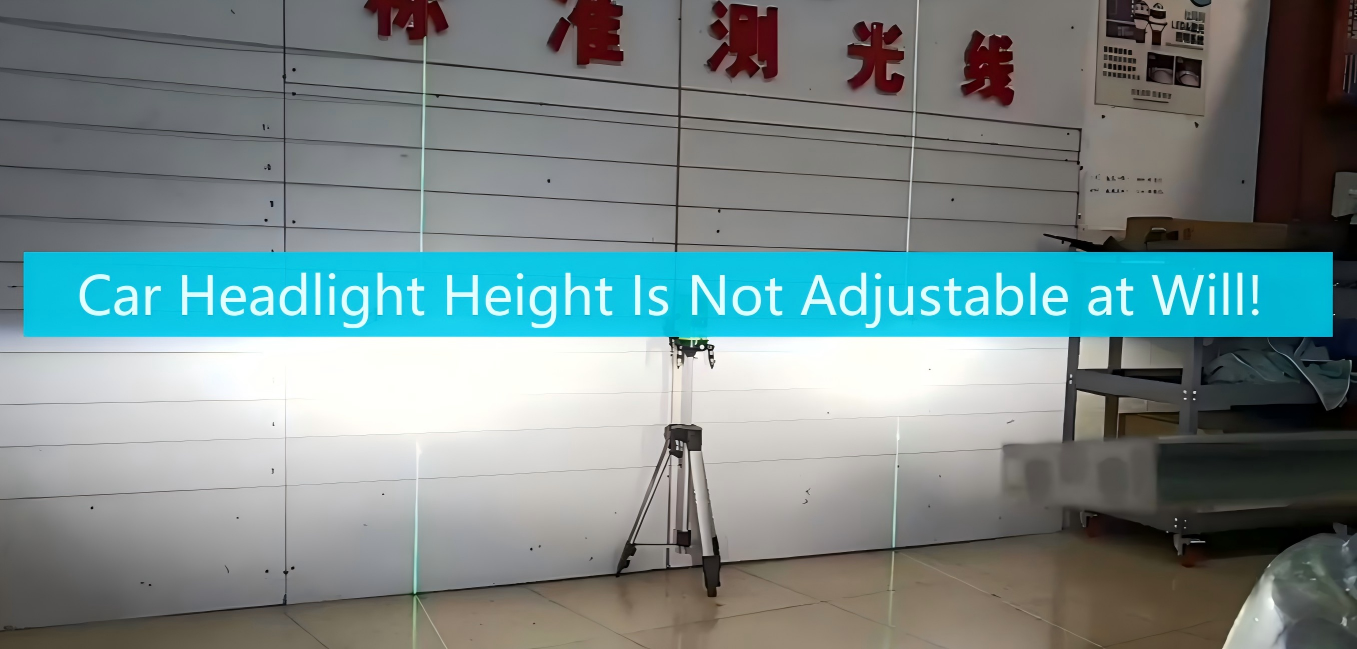
Car headlight height is a crucial detail that is all too easily overlooked.
Car Headlight Height Is Not Adjustable at Will! Both Excessive and Insufficient Heights Pose Driving Safety Risks
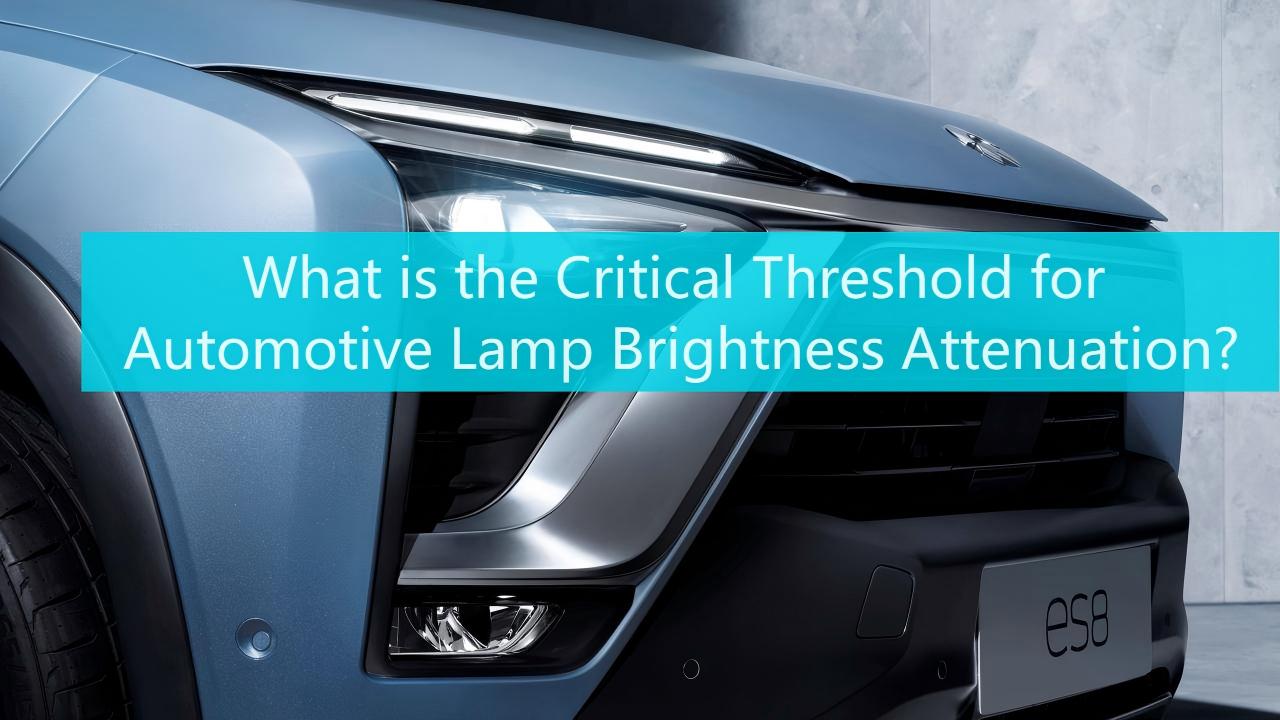
Avoid the pitfalls of aftermarket modification—and steer clear of the trap of "visual deception."
Critical dimming threshold for automotive lamps: replacement is recommended once the brightness drops by 30% from the initial level.
Legal and Compliant Car Light Modification - Very Important
Avoiding Pitfalls in Car Light Modification: Scope of Compliant Modification and Safety Hazards - Important to Learn
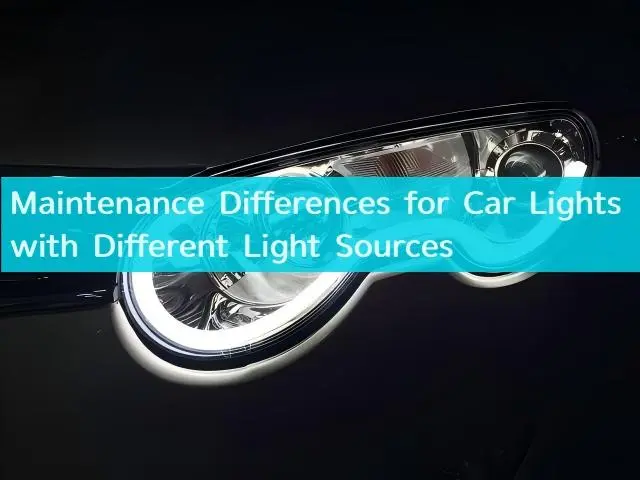
Focusing on the differences in maintenance of car lights with different light sources, with particular attention to the maintenance details of LED car lights.
Differences in Maintenance of Car Lights with Different Light Sources: LED Lights Don't Need Frequent Replacement, Pay Attention to These Details
