Differences in Maintenance of Car Lights with Different Light Sources: LED Lights Don't Need Frequent Replacement, Pay Attention to These Details
Author: BILITEN
2026-03-27
The previous article introduced the knowledge of car light maintenance and troubleshooting. In this article, we will focus on the differences in maintenance of different light sources, and pay special attention to the details of LED light maintenance.
I. Why is it important to "check the light source" when maintaining car lights?
1. Huge lifespan differences: Halogen lamps last a few hundred hours, xenon lamps around two thousand hours, and LED lamps can reach tens of thousands of hours.
2. Different failure modes: Halogen lamps fail due to "burnt-out filaments," xenon lamps fail due to "light decay/ballast damage," and LED lamps fail due to "heat dissipation failure/driver module malfunction."
3. Significantly different replacement costs: Halogen bulbs cost tens of yuan, while original LED headlight assemblies can easily cost thousands or even tens of thousands of yuan. The repair logic has shifted from "replacing the bulb" to "checking the heat dissipation."
II. Comparison of Maintenance Differences for Different Light Sources
| Halogen Lamp | Xenon Headlights (HID) | LED Light |
|
| Core Lifespan | 500-1000 hours | 2000-3000 hours | 30,000-50,000 hours |
| Replacement Frequency | 2-3 years/pair | 3-5 years/pair | Basically no need to replace the LED chip |
| Maintenance Tips | Oil-proof and high-temperature burn-proof base | Differentiating bulb/ballast faults and checking lenses | Check the cooling fan and driver module. |
| Common Faults | Filament burned out, plug rusted | Ballast damage, light decay, color shift | Heat dissipation failure, driver damage |
| Easily Overlooked | Uneven brightness on the left and right sides | Lens aging | Dust buildup on heatsinks |

III. Key Maintenance Details for LED Lights
(I) No frequent replacement required, but regular inspection is necessary (key details)
Regular brightness check: Check every 3-6 months to observe for brightness decay or light spot shift (affecting the lighting range)
Appearance check: Observe whether the lampshade has cracks or damage, and whether the lamp body is loose or detached.
Wiring check: Check whether the LED light wiring is loose or aged to avoid poor contact leading to malfunction.
(II) Heat Dissipation System Maintenance (Core Pain Point for LED Lights)
Avoid Obstructing Heat Dissipation Components: LED lights have built-in heat sinks/cooling fans; do not obstruct them with debris to prevent overheating and burning out the driver module.
Regularly Clean the Heat Sink: Clean the dust and oil from the heat sink every 6 months to ensure unobstructed heat dissipation.
Avoid prolonged exposure to high temperatures: After a vehicle has been exposed to the sun for an extended period, avoid turning on the LED lights immediately (ventilate and cool the vehicle first) to reduce heat loss.
(III) Lamp Cover and Sealing Maintenance (Preventing Water Ingress Damage)
Regularly clean the lamp cover: Wipe with a soft cloth and a special cleaning agent to remove dust and insect stains, avoiding scratches (affecting light transmission).
Inspect the sealing strip: Check if the sealing strip connecting the lamp cover and the lamp body is aged or cracked, and replace it promptly to prevent rainwater and dust from entering the lamp and burning out the LED chip.
Avoid direct high-pressure water jets: When washing the vehicle, do not use a high-pressure water jet to directly spray the LED lamp seams to prevent water ingress.
(IV) Driver Module Maintenance (Core Component of LED Lights)
Avoid Self-Modification: Do not arbitrarily modify the driver module or wiring of LED lights to avoid voltage instability and burnout of the light body.
Regularly Check Driver Status: After starting the vehicle, observe whether the LED lights illuminate normally and whether there are any abnormalities such as flickering or extinguishing. Troubleshoot driver faults promptly.
Avoid Low-Temperature Damage: In low-temperature winter environments, LED light startup may be delayed, which is normal and nothing to worry about; however, avoid frequent switching on and off to reduce driver wear.
(V) Handling Abnormal Situations (Critical Emergency)
Sudden Brightness Decrease/Flickering: Immediately check the drive module and wiring connections. Contact a professional for repair if necessary.
Water Ingress into the Lamp Body: Immediately turn off the headlights, wipe the internal moisture dry, check the sealing strips, and replace the lamp body if the damage is severe.
LED Lights Not Working: First check the fuses and wiring, then check the drive module and LED chips. Do not attempt to disassemble the lights yourself.

IV. General Maintenance Precautions for Headlights with Different Light Sources
Regular Cleaning: Regardless of the light source, the lens cover should be cleaned regularly to ensure light transmission and avoid affecting driving illumination.
Avoid Unauthorized Modifications: Do not arbitrarily replace headlights with those that do not conform to the vehicle's original specifications, as this may affect the circuitry and damage vehicle components.
Professional Repair: For complex faults (such as xenon lamp ballast failure or LED driver failure), contact a professional to avoid self-operation.
Parking Protection: For long-term parking (especially outdoors), cover the headlights to prevent them from being exposed to direct sunlight and rain, which can accelerate aging.

In summary, the maintenance of vehicle lights with different light sources revolves around their inherent characteristics, which vary significantly. Car owners should understand the characteristics of their vehicle's lights in advance, analyze specific problems individually, and adopt corresponding maintenance strategies.
While LED lights are less troublesome in terms of replacement frequency, the importance of detailed maintenance cannot be ignored. At the same time, regardless of the light source, it is necessary to follow general maintenance principles, avoid unauthorized modifications and careless repairs, in order to maximize the lifespan of the lights and ensure stable and reliable illumination during driving.
Avoiding Pitfalls in Car Light Modification: Scope of Compliant Modification and Safety Hazards - Important to Learn
Complete Guide to Car Light Routine Maintenance and Troubleshooting
Related Article
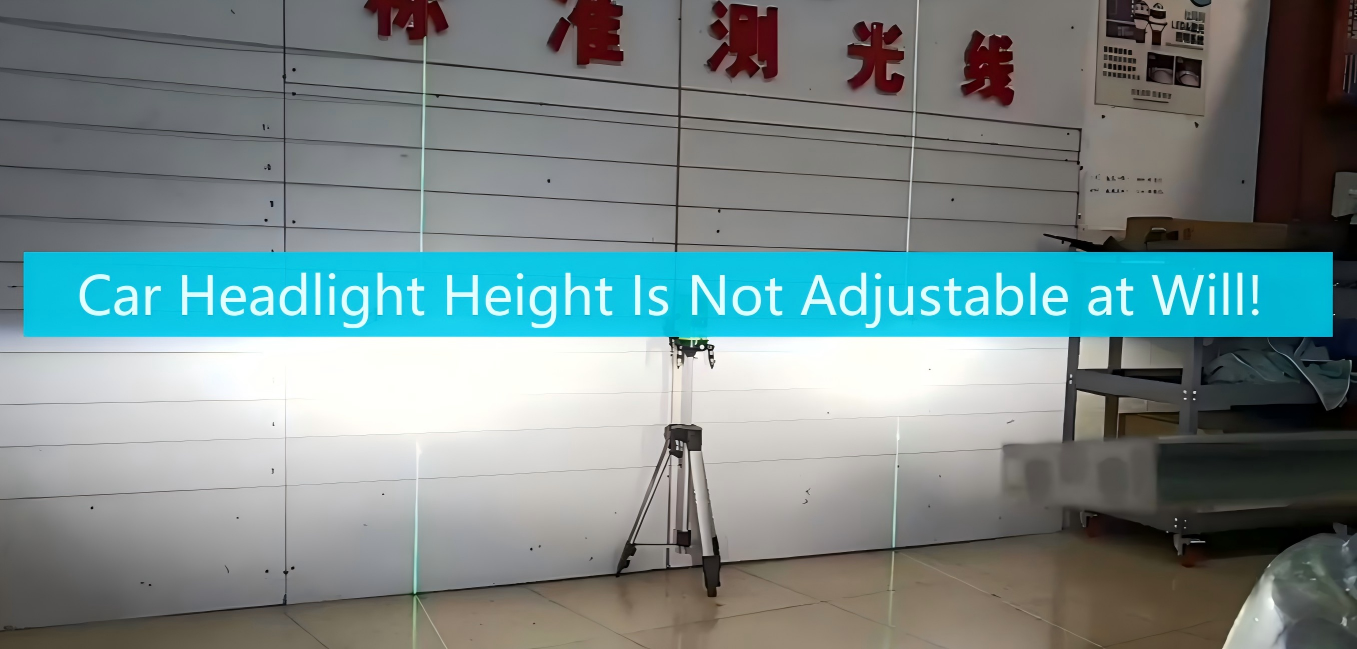
Car headlight height is a crucial detail that is all too easily overlooked.
Car Headlight Height Is Not Adjustable at Will! Both Excessive and Insufficient Heights Pose Driving Safety Risks
Car headlights aren't necessarily better just because they're brighter—it's a common misconception that many car owners get wrong.
Myth Debunked: Are Brighter Car Headlights Safer? Absolutely Not