Complete Guide to Car Light Routine Maintenance and Troubleshooting
Author: BILITEN
2026-03-13
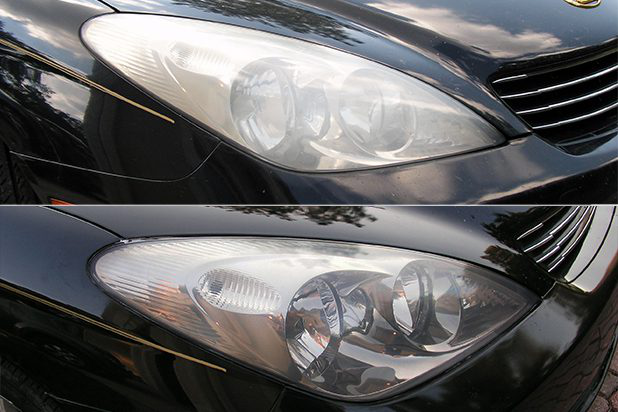
According to incomplete statistics, the brightness of vehicle headlights typically diminishes after approximately 50,000 kilometers of driving or about two years of use. At this stage, headlights suffering from light decay or dimness provide negligible illumination during nighttime driving, thereby significantly increasing the probability of accidents. Consequently, the routine maintenance and troubleshooting of vehicle headlights are of undeniable importance.
I. Routine Maintenance of Car Lights: Details Determine Lifespan
1. Regular Inspection, Prevention is Better Than Cure
It is recommended that vehicle owners perform a comprehensive inspection of all lights at least once a month. This involves not only verifying that the bulbs are illuminating but also observing whether the brightness is uniform and if the beam direction is misaligned.
2. Clean scientifically to maintain clarity.
After driving in rain or on muddy roads, the headlight covers are prone to accumulating dirt, which can obstruct the beam. It is recommended that car owners clean the headlight covers regularly: for minor dirt accumulation, try gently wiping with a sponge or soft cloth and a neutral detergent; for stubborn dirt, do not rub too hard, and seek help from a professional car wash.
3. Pay attention to heat dissipation, especially for LED car lights.
Heat dissipation is a key factor determining the lifespan of LED lights. Besides the heat dissipation performance of the car light itself, the heat dissipation of the installation environment is also important. In daily use, ensure there are no obstructions around the bulb to allow hot air to flow outwards normally. When upgrading car lights yourself, car owners should first check whether the original vehicle's heat dissipation design is compatible to avoid future problems.
4. Prevent direct sunlight and water ingress.
Prolonged exposure to direct sunlight will accelerate the aging and yellowing of the lampshade. Park in the shade whenever possible. It is also recommended to regularly check the lampshade's seal. If water droplets condense inside the lampshade, it increases the probability of circuit breaks or reflector rust; in this case, the lampshade's seal must be inspected and repaired immediately.

II. Common Tips for Replacing Headlight Bulbs
1. Assess Replacement Needs
The most straightforward indicator is: if you notice uneven brightness between the headlights, or a significant dimming of the nighttime illumination, you should replace them promptly. Additionally, it's generally recommended to consider replacing headlights after two years of use, even if the bulbs are not damaged.
2. It is recommended to replace bulbs in pairs.
When one bulb burns out, it is advisable to replace the other bulbs of the same type on both sides simultaneously. Because the old bulb has deteriorated, its brightness and color temperature will differ from the new bulb. Replacing them in pairs ensures a uniform and consistent lighting effect, avoiding a "one-eyed" visual difference.
3. Proper Replacement Procedures
Whether replacing a direct-plug LED bulb or upgrading a bi-xenon lens module, never touch the glass part directly with your fingers during installation. Otherwise, the grease residue on the glass will not only be unsightly but also easily create hot spots, causing the bulb to overheat in certain areas and affecting its luminous performance.

III. Troubleshooting Common Faults
1. Single Bulb Not Working
If only one headlight on a car is not working, it's most likely that the bulb filament is burnt out or the bulb has reached the end of its lifespan. In this case, you can solve the problem by replacing the bulb with the same model (it's recommended to replace both bulbs at the same time).
2. Multiple lights not working simultaneously
If lights in the same area fail (e.g., all headlights are not working), first check if the fuses are blown. Press the horn; if it sounds normally, the problem is likely with the fuse specifically for that group of lights. If it doesn't sound, consider whether the main fuse has blown.
3. Flickering or Dim Lights
If the lights flicker or are dim, it could be due to poor wiring connections or a faulty voltage regulator causing unstable output voltage. Some xenon or LED lights involve decoding issues and have complex circuit designs; it is recommended to have them handled by a professional modification shop or electrician.
4. Headlight Beam Shift
If you experience narrow visibility at night or oncoming vehicles frequently flashing their lights, it's likely due to a shift in headlight beam angle. This not only reduces your own visibility but also affects other drivers. In this case, it's recommended to have your headlight beam reset and calibrated at a professional repair shop as soon as possible to avoid subsequent improper and unsafe driving.

IV. Good Usage Habits
Proper use of vehicle lights is crucial for maintaining their lifespan:
Avoid frequent switching on and off of lights, as the sudden current surge can accelerate filament wear and shorten their lifespan.
Use high beams correctly; this promotes courteous driving and ensures the headlight system maintains a reasonable operating cycle.
When washing your car, do not use a high-pressure water gun to directly wash the engine compartment and the gaps behind the headlight assembly, as this can cause water ingress and malfunctions.
Summary
Vehicle lights are a crucial guarantee of nighttime vehicle safety, and their working condition directly affects driving safety. Mastering routine maintenance and basic troubleshooting methods can effectively extend the lifespan of vehicle lights and reduce potential safety hazards while driving at night. In short, regularly checking the vehicle's lighting system provides reliable safety assurance for every journey.
Differences in Maintenance of Car Lights with Different Light Sources: LED Lights Don't Need Frequent Replacement, Pay Attention to These Details
Car Light Usage Guide for Underground Garages, Tunnels, Country Roads
Related Article
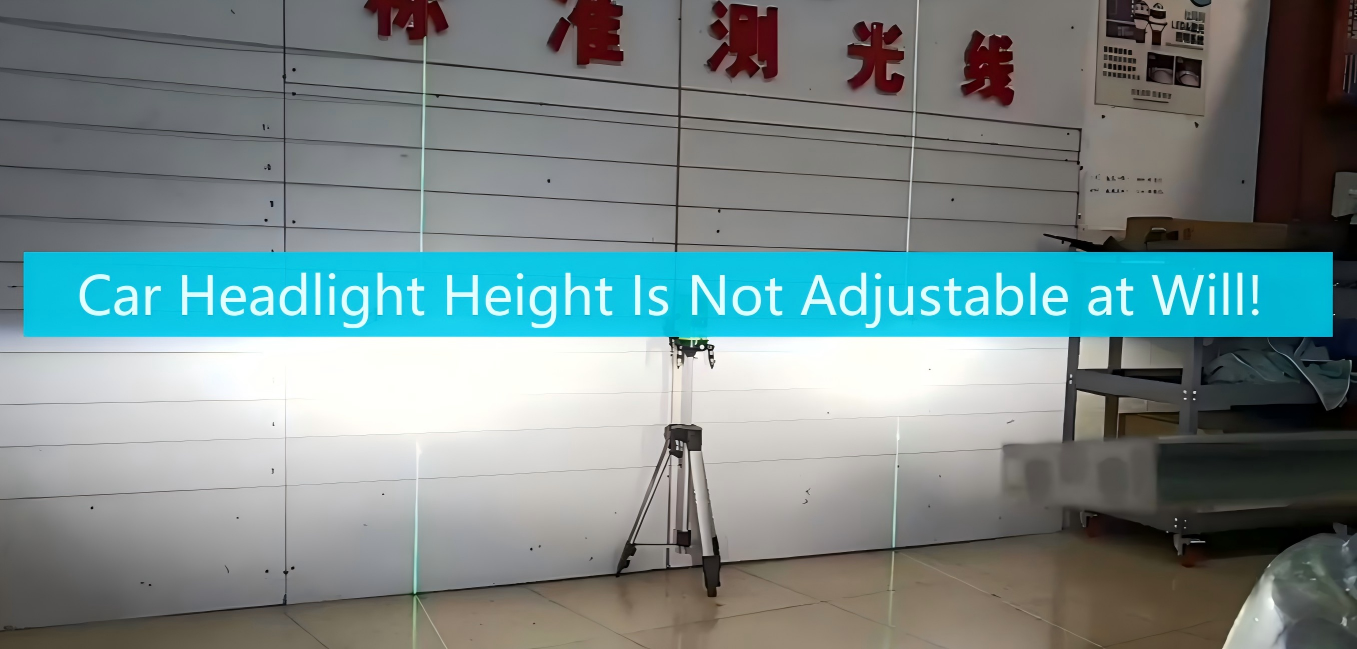
Car headlight height is a crucial detail that is all too easily overlooked.
Car Headlight Height Is Not Adjustable at Will! Both Excessive and Insufficient Heights Pose Driving Safety Risks
Car headlights aren't necessarily better just because they're brighter—it's a common misconception that many car owners get wrong.
Myth Debunked: Are Brighter Car Headlights Safer? Absolutely Not