Can you fully identify the symbols on your car's dashboard?
Author: BILITEN
2026-01-17
Introduction
The symbols on your dashboard are the first indicators of vehicle malfunctions and potential risks. Correctly interpreting these warning lights allows you to move from reactive responses to proactive control, ensuring driving safety and optimizing your driving decisions. This article will focus on automotive warning light symbols, providing you with a clear interpretation guide to help you achieve efficient and safe driving communication.
Common Car Light Symbols and Their Meanings
 |
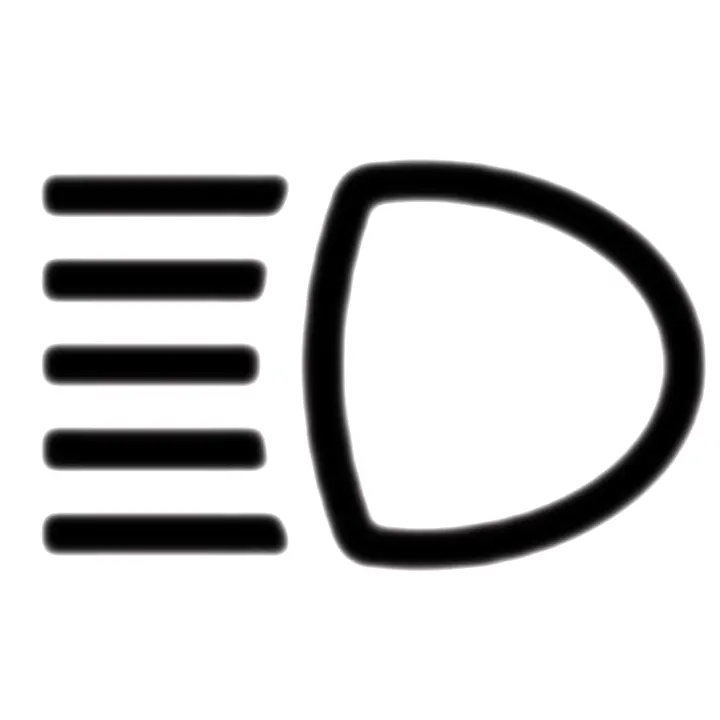 |
| This indicates the low beam, used for normal nighttime driving, and they will not dazzle oncoming drivers or pedestrians. | This indicates the front fog lights, which are typically used in rainy or foggy weather due to their strong penetrating power. |
 |
 |
| This indicates the rear fog lights, which help your car be seen by drivers behind you in rainy and foggy weather. | This is an indicator light symbol, indicating that you are about to turn left or right. |
 |
 |
| This is an indicator light symbol, indicating that you are about to turn left or right. | Provides vehicle width indicators in low-light conditions; serves as a warning for night driving; and acts as an important marker when parking. |
The Colors of Car Light Symbols also have Specific Meanings
Simply put, the colors represent the level of urgency.
| Color | Urgency | Meaning | Driver Action | Common Examples |
| White | None | Information / Function confirmation | Acknowledge only | Driving mode, Safety system standby |
| Green / Blue | Low | Function enabled / Working normally | Operate normally, no need to worry | Low beam, Turn signal, High beam (blue) |
| Yellow / Amber | Medium | Warning / Minor fault | Arrange inspection as soon as possible | Engine malfunction, low tire pressure, ABS fault |
| Red | High | Danger / Severe fault | Stop safely immediately and check | Oil pressure, brake system, engine overheating |
Tip: For safety reasons, it is strongly recommended that you take the time to read your vehicle's owner's manual, which will explain in detail the meaning of all the indicator lights, as the symbols may vary slightly between different makes and models.
How to Activate the Car Lights?
I. Basic Operations: Common Lever-Type Switches
This is the most common type of control, usually located on a lever to the left of the steering wheel.
Operating Steps (usually involving multiple rotational settings)
1. "OFF" or "O" position: This is the position to turn off all the car lights (daytime running lights may still remain on).
2. Parking lights (side lights):
Turn the knob to the first position. At this point, the front and rear marker lights, license plate lights, and instrument panel backlighting will illuminate. This is used to show the vehicle's outline in dimly lit conditions.
3. Low Beam
Turn the knob to the second position. This is the main headlight setting for nighttime driving or when visibility is poor. Always turn on your low beams in tunnels, during rain, at dusk, or in any situation where visibility is reduced.
4. High Beam
- Prerequisite: The low beams must be switched on first.
- Operation: Push the entire control lever away from the steering wheel (towards your body).
- Indicator: A blue high beam indicator light will illuminate on the instrument panel.
- Use: Use in poorly lit rural areas or on highways. Remember to switch back to low beams when meeting oncoming traffic, following another vehicle, or when there are vehicles approaching from the opposite direction, to avoid dazzling other drivers and compromising their safety.
5. High/Low Beam Switching (Passing Lights)
- Operation: Pull the control lever towards your body and then release it; the high beams will flash once.
- Usage: Used to alert vehicles or pedestrians ahead, or to signal other drivers to switch their headlights before meeting oncoming traffic.
6. Turn Signals
Operation: Push the lever upwards to activate the right turn signal, and push it downwards to activate the left turn signal. It will automatically return to its original position after completing a turn or lane change.
7. Fog Lights
- Operation: There is usually a separate small knob in the center or on the side of the control lever. Turn it to switch them on.
- Front fog lights: The icon shows light lines pointing to the left, with a diagonal line crossing several wavy lines.
- Rear fog lights: The icon shows light lines pointing to the right, with a diagonal line crossing several wavy lines (usually red or amber). Fog lights are very bright; please use them only in extreme weather conditions such as fog, snow, or heavy rain. Turning them on in normal weather will severely interfere with the visibility of vehicles behind you.
8. Hazard Warning Lights (Double Flashing Lights)
- Location: Usually located on the center console inside the vehicle, marked with a red triangular button.
- Purpose: When pressed, all turn signals will flash simultaneously. Used to indicate a vehicle malfunction, temporary parking, or an emergency situation, to warn other vehicles.

II. Other Types of Control Methods
1. Rotary switch:
Some car models (such as certain Volkswagen and Volvo models) have the light control as a separate rotary knob on the center console, with the same operating logic as the lever-type switch.
2. Automatic Headlights (AUTO)
- Most modern cars are equipped with automatic headlights. Simply turn the switch to the "AUTO" position.
- The light sensor on the front of the car will automatically detect the ambient light level and automatically turn on the low beam headlights when entering a tunnel, underground parking garage, or at dusk, without requiring manual operation. This is the most convenient and recommended mode for everyday use.

III. Special Circumstances
1. Daytime Running Lights (DRL):
These cannot be manually turned off (though some models allow disabling them in the settings). They automatically illuminate when the vehicle is started, improving vehicle visibility during daytime driving. They are not headlights! You still need to manually turn on the low beams when it gets dark.
2. Adaptive High Beam (AHB):
With automatic headlights and high beams activated, this system uses a camera to detect oncoming or preceding vehicles, automatically switching off the high beams in certain areas to avoid dazzling other drivers while still illuminating other areas.
3. Cornering Lights:
With the low beams on, when you activate the turn signal or turn the steering wheel, the fog light or an additional LED light on one side will illuminate, lighting up the blind spot on the inside of the curve.
IV. Safety Reminders
- Daily Use: Keeping the switch in the "AUTO" position is the best option.
- At Night or in Low Visibility Conditions: Ensure the switch is in the low beam position.
- Check Lights: Regularly check that all lights (brake lights, turn signals, etc.) are working properly.
- Responsible Use of Lights: It is strictly prohibited to use high beams on illuminated roads in urban areas; switch between high and low beams when meeting oncoming traffic; do not use fog lights in non-adverse weather conditions.
Summary
The indicator lights on your car's dashboard are the "language" through which your vehicle communicates with you. Their colors (red, yellow/orange, green/blue) directly reflect the urgency of the problem. Understanding the meaning of these symbols, recognizing their shapes, and knowing the color rules are crucial first steps in ensuring driving safety.
Essential Driving Lesson: Misconceptions and Safety Hazards of Incorrect Auto Lights Usage
Beginner's Guide to Car Headlight Upgrades: Headlight Types and Upgrade Solutions, Common Mistakes and Brand Overview
Related Article
Car headlight height is a crucial detail that is all too easily overlooked.
Car Headlight Height Is Not Adjustable at Will! Both Excessive and Insufficient Heights Pose Driving Safety Risks
Car headlights aren't necessarily better just because they're brighter—it's a common misconception that many car owners get wrong.
Myth Debunked: Are Brighter Car Headlights Safer? Absolutely Not